


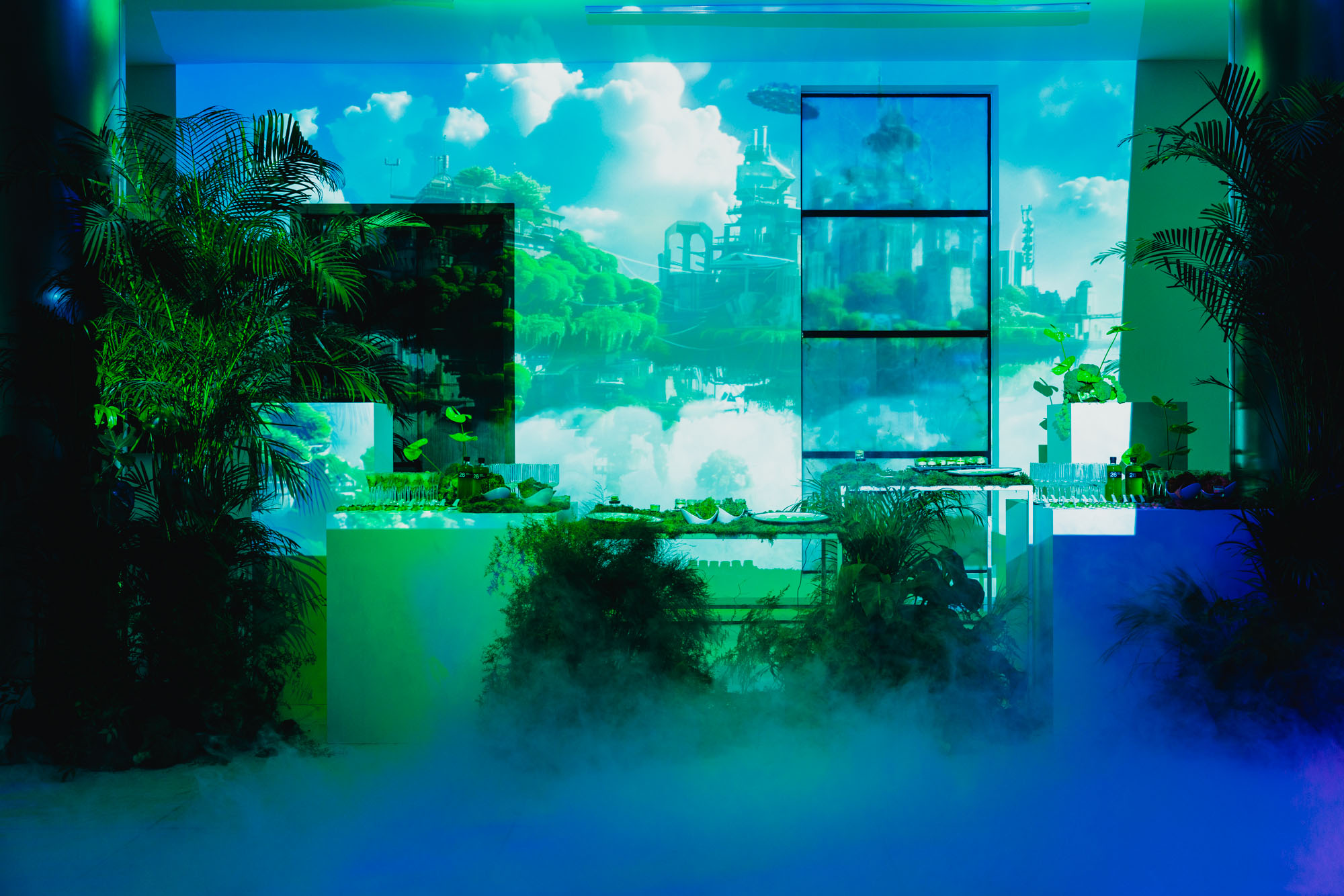
The Experiential Dinner is a concept created by KM Zero Food Innovation Hub with the collaboration of Gourmet Catering & events and backed by Chefs Manifesto
Gastronomy as a cultural reflection and balance with the environment has shone in Valencia with the celebration of the Experiential Dinner, a Conceptual dinner that has taken place coinciding with the World Sustainable Gastronomy Day and the designation of the city as the venue for the next presentation of the Green Guide.
a culinary experience that has closed the first day of Ftalks The Food Changemakers Summit, and that has brought together more than 200 diners belonging to the world of food innovation, including researchers, chefs, food company managers and the nearly fifty experts who make up the think tank created for this event.
This gastronomic experience, which has taken place in the emblematic Clock building of the port of Valencia, has had the support of Chefs Manifesto, An initiative supported by the United Nations that brings together more than 1,500 international chefs to promote a more sustainable diet.
The proposal has been developed as A sensory journey of 22 passes Through the history of food, with the aim of proposing a reflection on the cultural and identity impact of food and its role to create more sustainable, fair and resilient societies.
For this, the dinner designed and coordinated by the gastronomer Carlos Prada, has had the collaboration of the team of R + D+ I of Gourmet Catering & events, who has also been in charge of the staging, the direction of art and the service that has been presented in three separate stations conceptually and physically, with dishes that have represented the past, present and future of food.

Ancestral flavors and foods created by Startups FoodTech
The Experiential Dinner has left proposals such as the Vegan foie bonbon with rice crisp, from the Navarre startup cocuus, specialized in food bioprinting; the crispy smoked crickets with furikake and algae with Himalayan salt; theinverted truffle omelette, created with the vegan egg designed by the chefs of AWEVO or the Citrus and onion veikon of Let it v, which reproduces the taste and experience of eating a traditional bacon using exclusively plant-based ingredients. In the turn of the desserts, the diners enjoyed four original proposals, such as the Cream cheese mousse with honey and orange caviar, made with the cheese from milk of cashews from Quevana.
These dishes, with elaborations based on products of ancestral origin and other newly created products by startups FoodTech, have been paired with equally innovative drinks, such as the ‘cocoa wine’ Created by startup Lōv Ferments in collaboration with François Chartier, considered one of the best sommeliers in the world; the ‘lombard mojito’ whose color changes as its pH or ‘Schisandra Amla Beauty Elixir’, prepared by the Valencian chef Begoña Lluch.
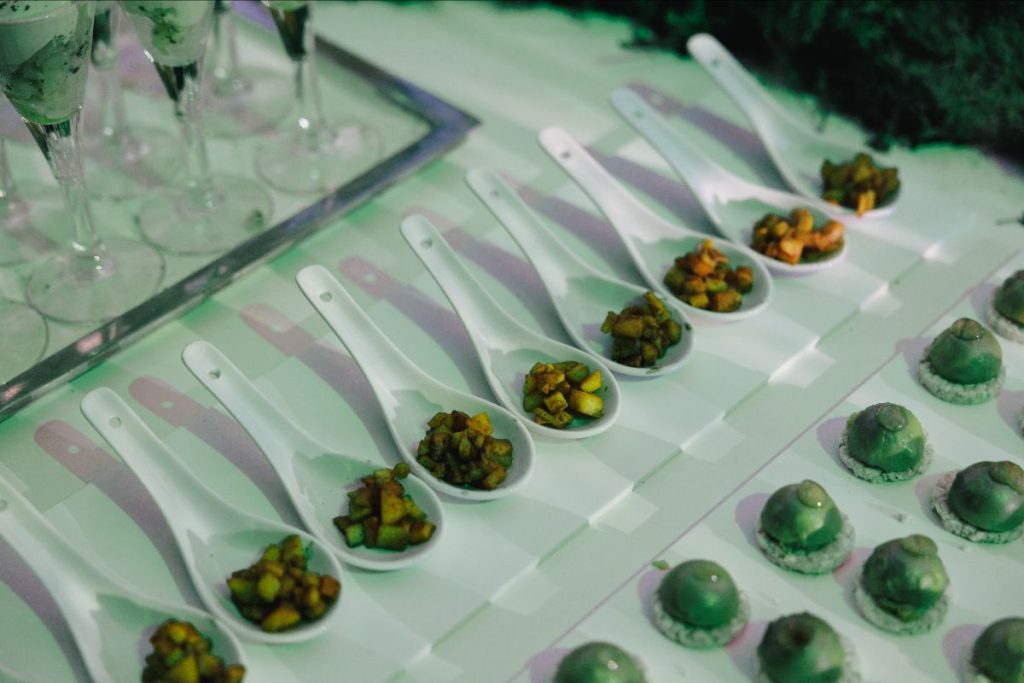
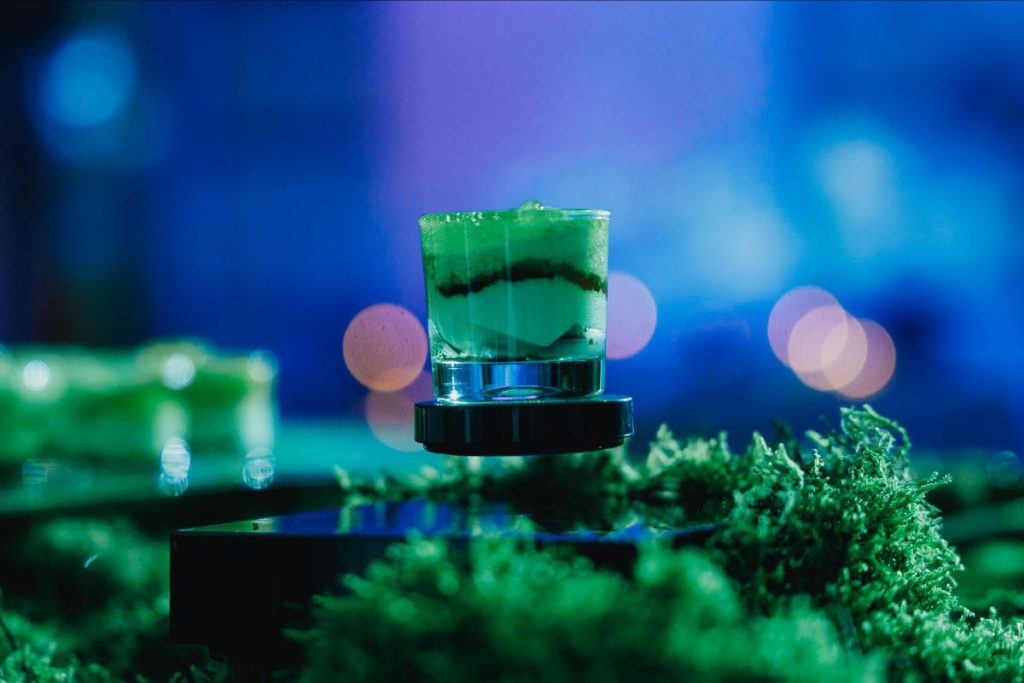
“To fulfill the concept marked by KMZERO to show the evolution of food practices, how they have defined our identity and have led us to a more resilient future, at the dinner a journey through the history of food has been made. They were integrated into the event since the protein fermentations Hybrid, conservation methods and crude of yesteryear, going through the fusion and global dishes of the present and imagining the future with integrations of soda, nitrogen, work with algae, fungi and cacti. Scene conceived and executed by our Department of Art Direction to reinforce the message”, says Javier García, gastronomic director of R&D&I of the production center of Gourmet Catering & events.
“The change in the way we eat is possible, but it requires the involvement of all the actors that make up the food system, an important exercise of dissemination and understanding the sociocultural dimension of our relationship with food. To promote this change, it is important to create spaces that echo voices like the From Paul Newnham, founder of the global platform that has supported the experiential Dinner, Chefs’ Manifesto, and rapporteur of this edition of FTalks specialized in the geopolitical implications of food systems”, he explained Beatriz Jacoste, Director of KM Zero Food Innovation Hub
“We propose this experience as a reflection on the way in which our food practices define our identity. Gastronomy gives us a unique opportunity to transmit, through all the senses, the need to know how we have fed in the past in order to understand our current context and have the tools to define a future system food that is resilient and regenerative”, has highlighted Carlos Prada, KM Zero gourmet.