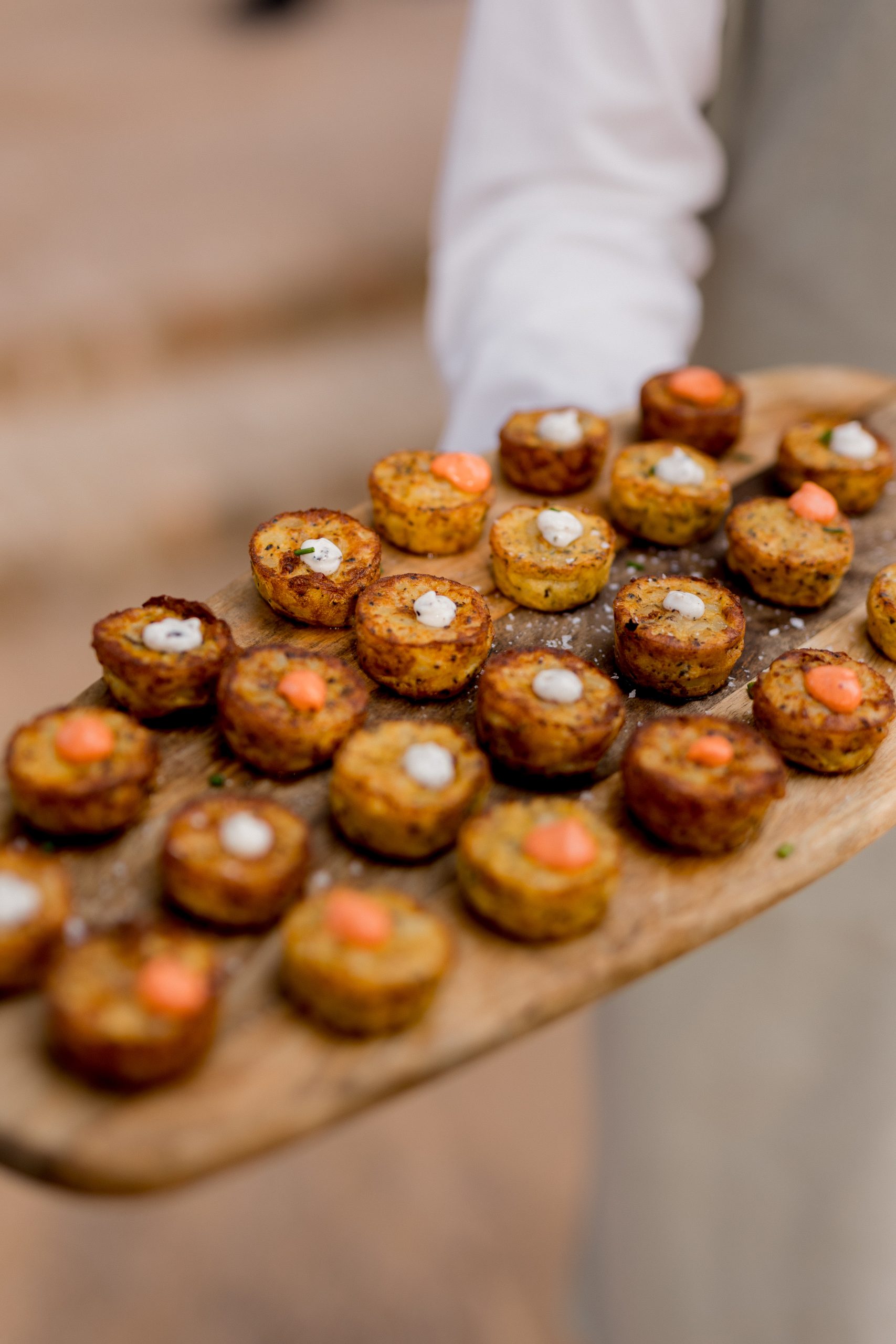


Gildas, Fuet and Octopus a Feira: This is how the proximity flavor has slipped into the weddings of 2025
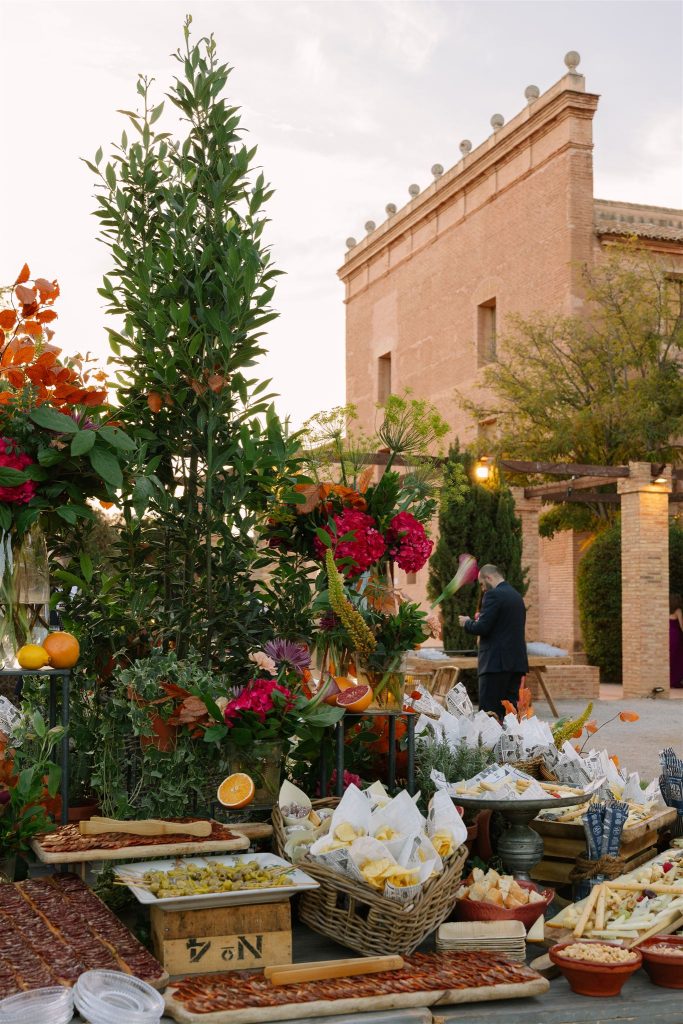
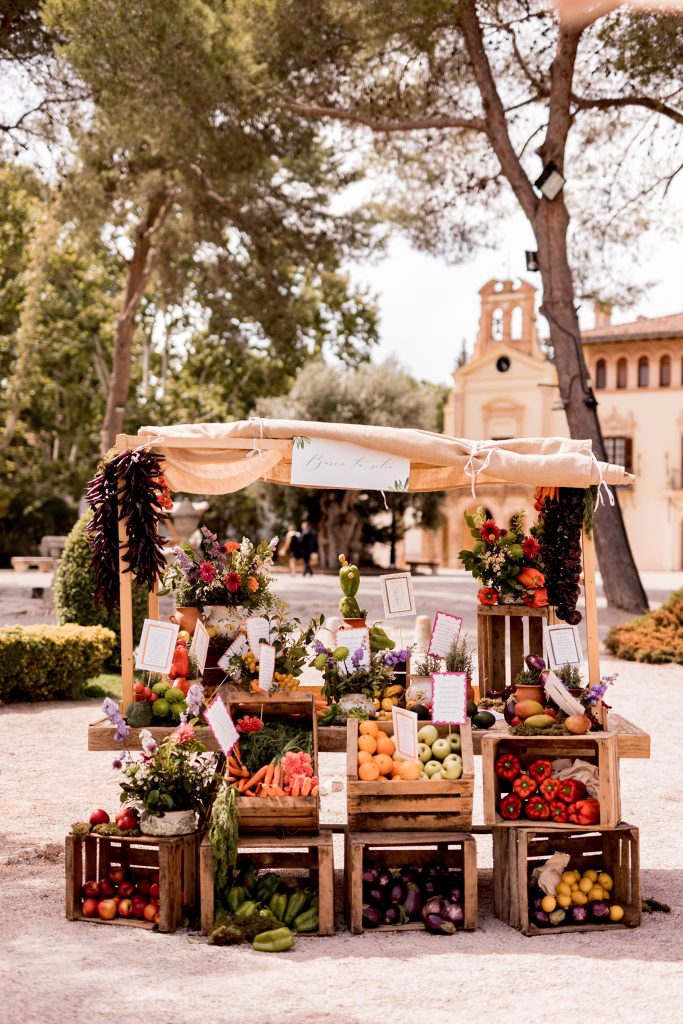
Gone are the sushi buffets, the Mexican tacos or the quail eggs that reigned in the 2000s. The current weddings are marking a paradigm shift: the bridal aperitif becomes more Spanish than ever.
The trend point towards The native, the Mediterranean and the traditional. The usual recipes —reinterpreted, careful and kilometer zero— have become the new gastronomic luxury. An aesthetic, cultural and ethical choice, because betting on local suppliers reduces displacements, minimizes carbon footprint and reactive local economies.
“Young couples have very internalized the value of the local product,” he says. Ángela Cócera, Director of Spaces of Gourmet Catering & events, one of the leading companies in the bridal sector. “Every time they ask us for an authentically Spanish wink, something that represents them and that celebrates the taste of our land. We have even created a line of bravas and another of potato omelette, and they have been a resounding success. In addition, we notice a growing sensitivity towards responsible proposals: less waste, more respect for temporality and natural cycles”.
The reign of the Spanish aperitif
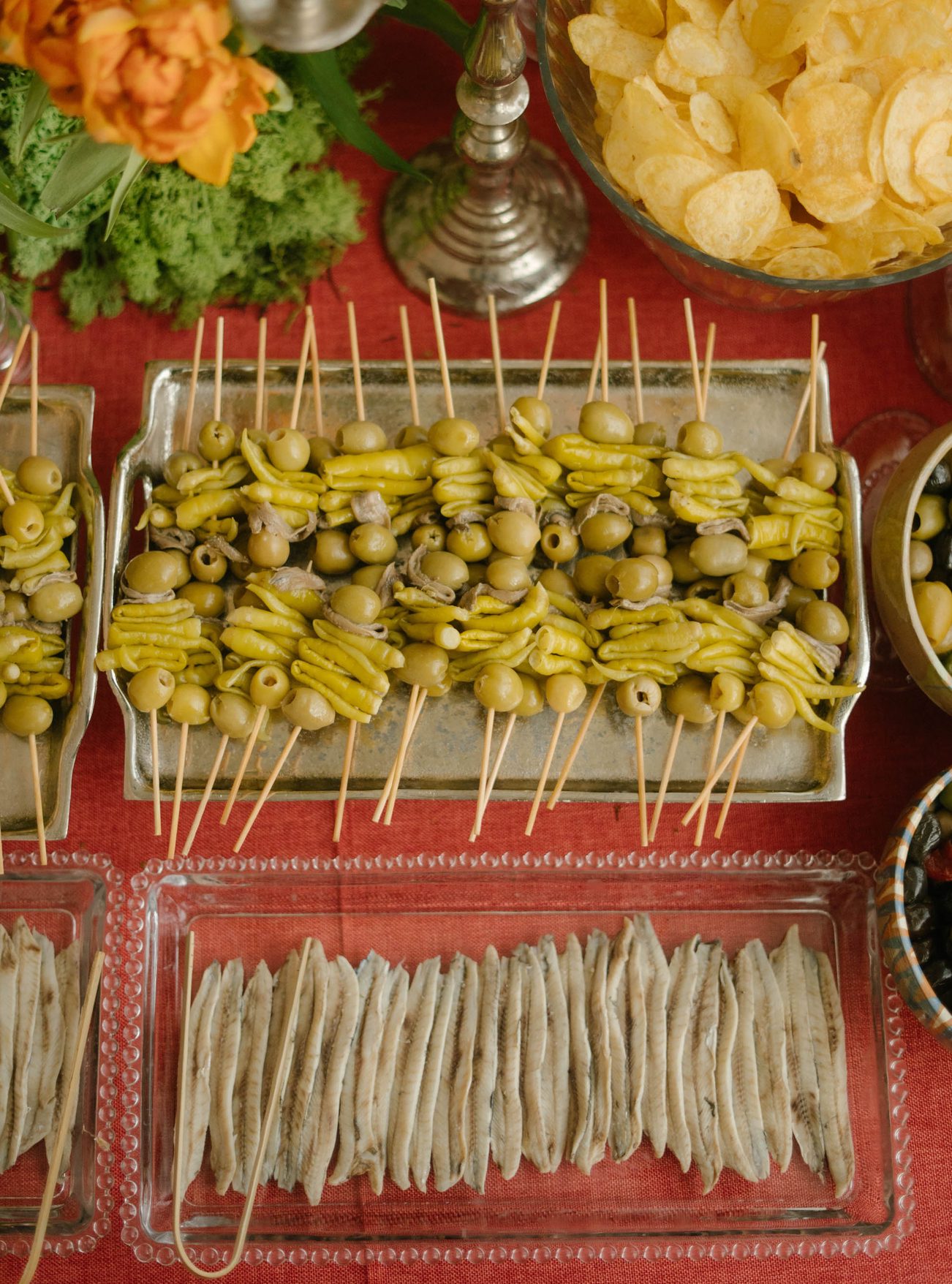
According to data from Gourmet Catering & events, the gildas, the torreznos, the black pudding of Burgos, the Fuet, the Cantabrian anchovies and the octopus a feira are among the most repeated requests. What was previously associated with an informal tapas is now a pure trend.
The undisputed star of the new wedding cocktail is the vermuterie: A table of Mediterranean aesthetics where they coexist pickled mussels, , olives PREMIUM, , anchovies on vinegar, , Fuet pellets and Crispy Torreznos. An emotional journey through the Spanish aperitif that arouses nostalgia… and is of rabid news. In addition, these types of proposals favor the traceability of the product, a booming demand between couples who seek to know where each ingredient comes from.
The “sea” seasons also gain ground, with grilled knives and scallops, octopus a feira or a buffet of cantabrian anchovies on pasiego sobao and butter. All this accompanied by the essential cut of Iberian ham live, already converted into a gastronomic ritual. The commitment to local species and traditional fishing gear is another of the keys that are shaping the new sustainable luxury.
Traditional cuisine, contemporary creativity
Far from staying in the purely classical, this return to origin is inspiring Creations that reinterpret the flavors of always With a current aesthetic like the tartare of fuet de requena, the Sobrasada and onion macaron ‘Almussafes’, or the Anchovy belly with creamy Parmesan and grape. Culinary innovation coexists with a responsible approach that prioritizes seasonal ingredients, reduces losses and makes the most of each product.
In a context in which Km 0, sustainability and local product gain ground, choosing a Spanish aperitif is also a declaration of intent. The couples of 2025 claim what connects them with their origins: an authentic celebration, conscious and with identity. And more and more, they are looking for suppliers with active sustainability policies that address from efficient waste management to the donation of food surpluses.
“Behind every gilda, every torrezno or every red shrimp there is a story, a territory and a way of understanding luxury from the authenticity”, he concludes coera. “And that, today, is what couples value the most.” A luxury that is no longer measured only in sophistication, but in positive impact.