

With the entry into force of the Law 1/2025 on Prevention of Loss and Food Waste, Spain is moving towards a more sustainable and responsible management of food resources. On Gourmet Catering & events, as a leading company in sustainability in the catering sector, we analyze what this regulation implies for our activity and how we are prepared to lead change.
What does Law 1/2025 establish against food waste?
The new legislation forces all actors in the food chain to implement measures to Prevent, reduce and revalue food surpluses. One of the most outstanding measures is the obligation for bars and restaurants to offer customers Reusable or recyclable containers To take the food left over, at no additional cost.
Does the law also affect professional catering?
Not exactly. Unlike traditional hospitality, the catering companies We are subject to specific food safety regulations that Forbids to deliver leftovers to diners after an event.
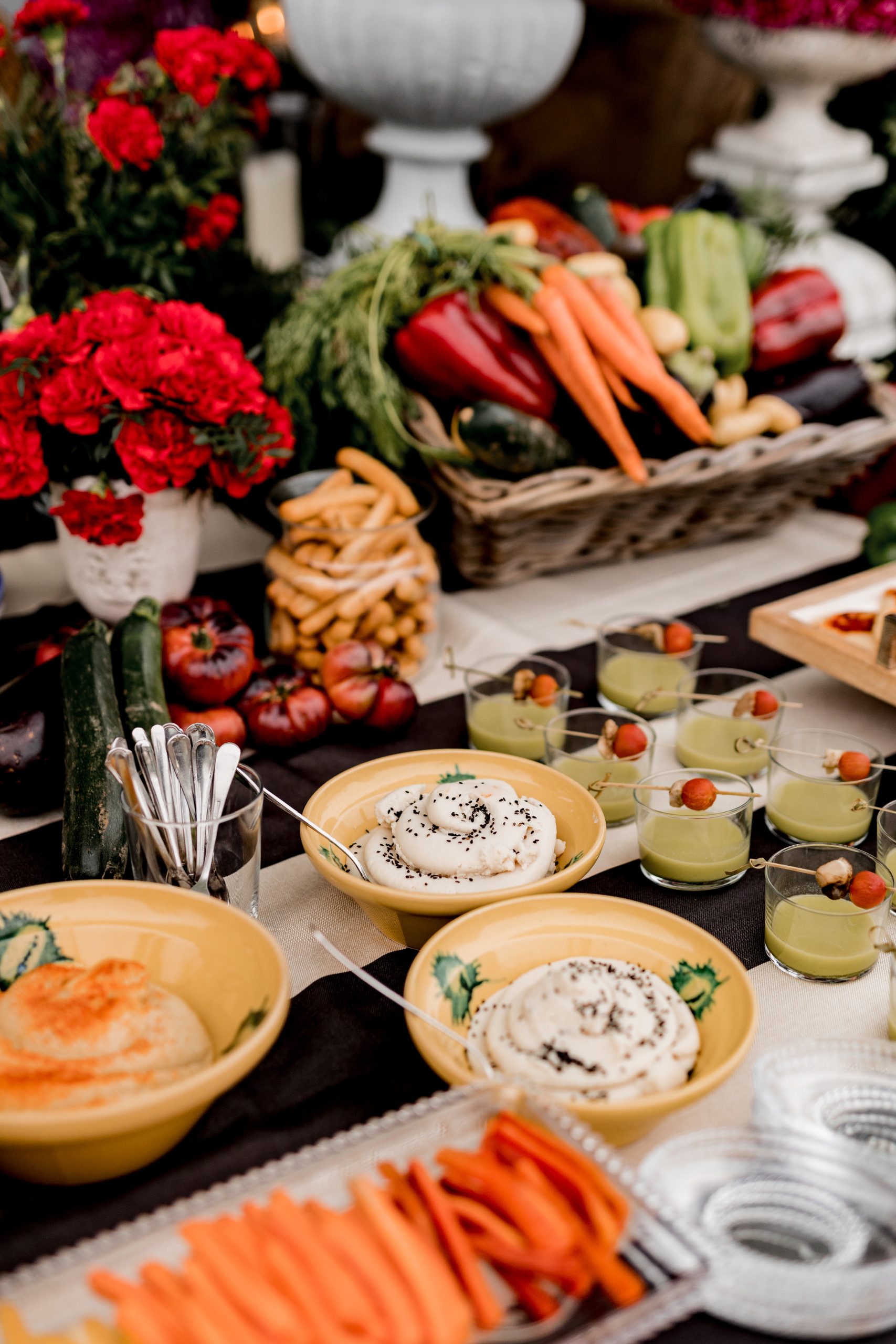
This is due to the Particular nature of catering service, where traceability is more complex and greater health demands are applied. According to the law, The obligation to deliver leftovers does not apply to services without limit of food availability, like buffets or banquets. This exception should be clearly communicated, preferably in the menu or the event letter..
What can be done with food surpluses in catering?
Although it is not allowed to directly deliver the surplus to customers, Yes, it is possible to donate unused foods, provided that the legal and health criteria are met.
Thanks to the work of Catering Business Association and its dialogue with the authorities through the MICE Forum, the regulations recognize the Controlled surplus donation by the catering sector.
Foods that can be donated:
- Dry or stable products: rice, pasta, nuts, industrial pastries.
- Correctly packaged foods: milk, preserves, yogurts, oils.
- Products with treatments that prolong their shelf life: sausages, cured cheeses, frozen or pasteurized foods.
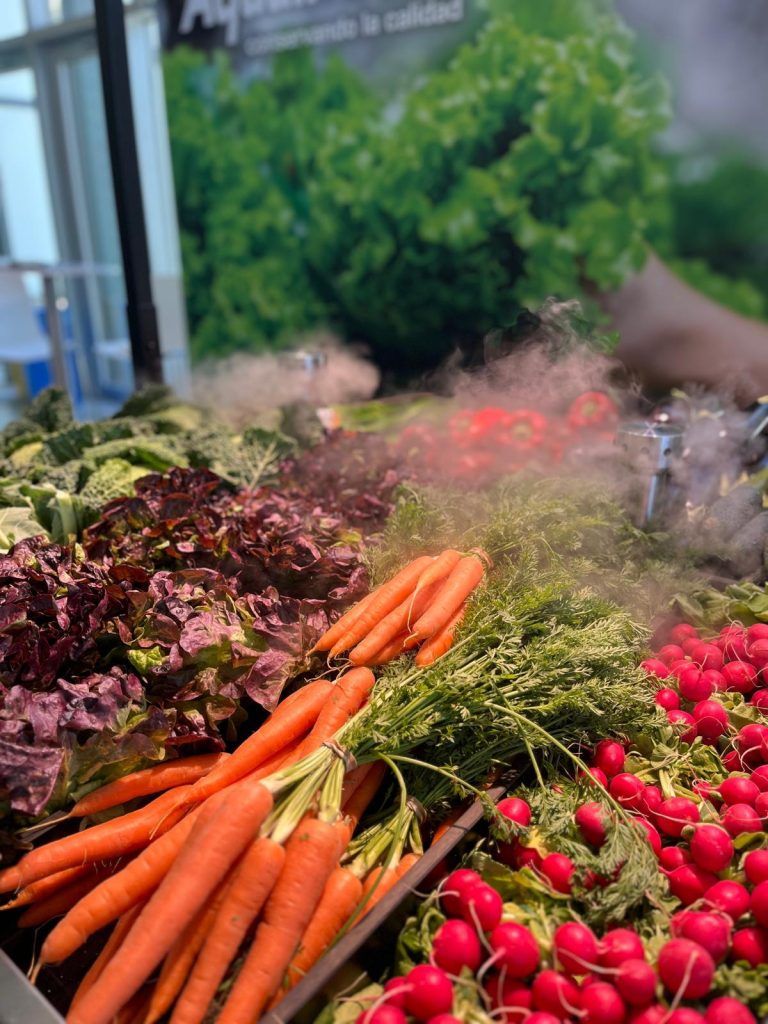
- Whole fruits and vegetables in good condition.
Foods that should not be donated:
- Food exposed to consumption (buffets, cocktails).
- Raw preparations such as sushi.
- Preparations with fresh egg or creams without pasteurized.
- Seafood, fresh fish or unpasteurized fresh cheeses.
What obligations does the law impose on catering companies?
Although we are exempt from offering packaging to the customer, the law imposes other Key obligations for professional catering:
- Food Waste Prevention Plan: All companies must have a plan to identify and minimize losses.
- Collaboration with social entities: The donation of surpluses to charities is promoted, always complying with the legal requirements.
- Hierarchy of uses: Prevention is prioritized, followed by human consumption, animal feed, and finally energy composting or recovery.
Gourmet Catering & Events: Sustainability as a real commitment
On Gourmet Catering & events We have spent years betting on a conscious and responsible gastronomic model. We were pioneers in getting the IFS Progress Food Certification, which supports our food quality and safety standards. In addition, in 2023 we were awarded the Valencia Hospitality Award for Sustainable Gastronomy.
naria: technology against food waste
Since 2023 we collaborate with naria, an innovative platform based on Blockchain technology for efficient surplus management. Thanks to this alliance, between April 2023 and May 2025 we have achieved:
- Donate more than 8,300 kg of food, equivalent to more than 19,800 servings, to people in vulnerable situations.
- Avoid more than 20,800 kg of CO₂, reducing our carbon footprint.
- Extend the system to new spaces, like the Víctor Villegas Auditorium in Murcia, after its success at the Valencia Congress Center.
Currently, we work with entities such as the Valencia Food Bank and of the safe, the Helping a Family Foundation In Valencia and the Remar Foundation in Murcia.
an opportunity for sustainable change
The Food Waste Law It is not only a legal obligation, but an opportunity to Redefine the catering model Towards a more ethical, efficient and committed gastronomy to the environment.
On Gourmet Catering & events, we will continue to innovate, collaborating with social entities and training our teams so that each event is a benchmark in excellence, sustainability and responsibility.